The Tate House is a North Georgia wedding venue defined by its marble architecture, elevated ceremony lawn, and open mountain-facing views.
Those features create a clean visual environment, but they also introduce specific lighting and timing constraints that directly affect how a wedding day photographs.
If you’re planning a wedding here, the outcome of your images will depend less on the venue itself and more on how the day is structured and photographed.
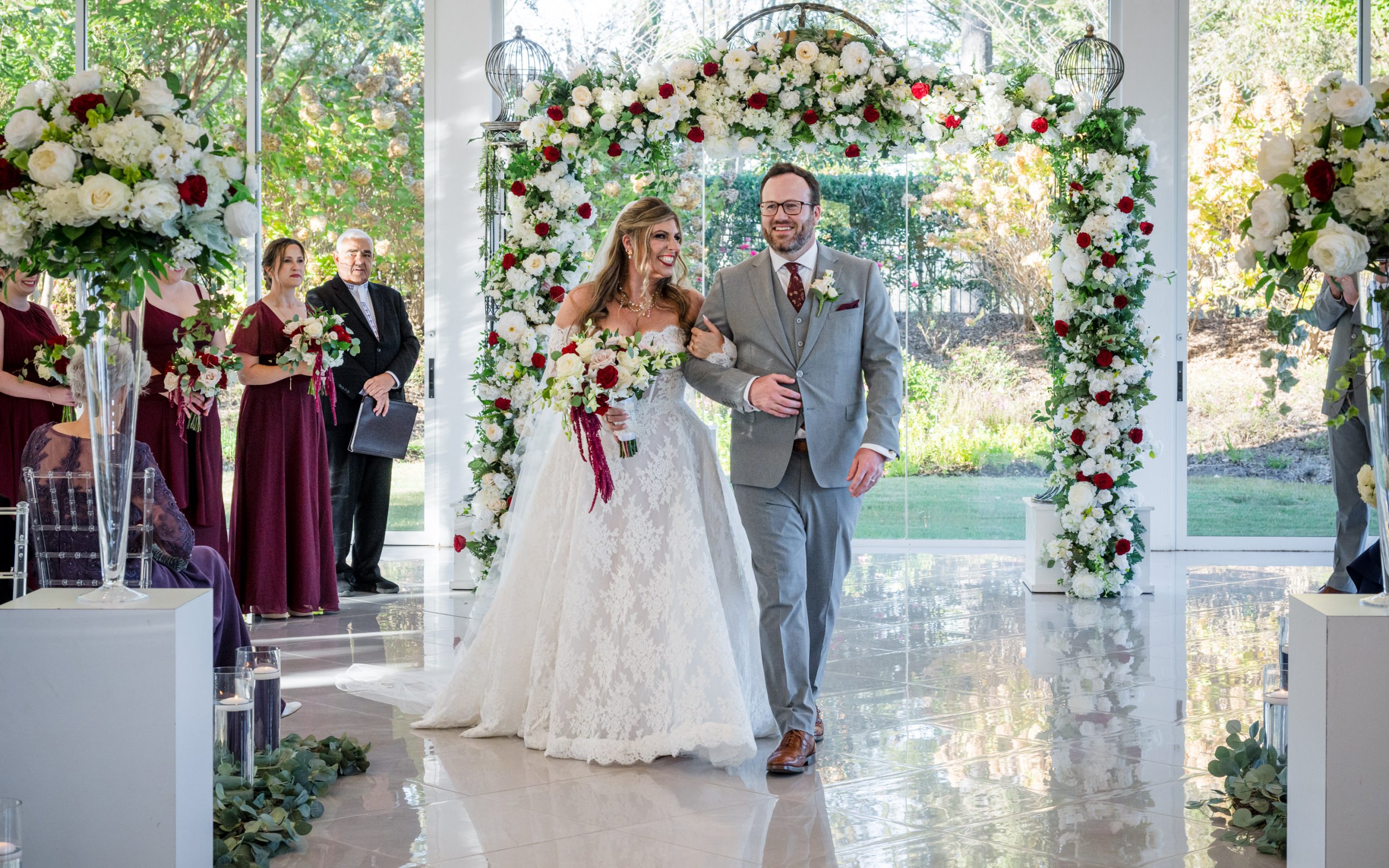
The Venue — What Impacts Your Photos
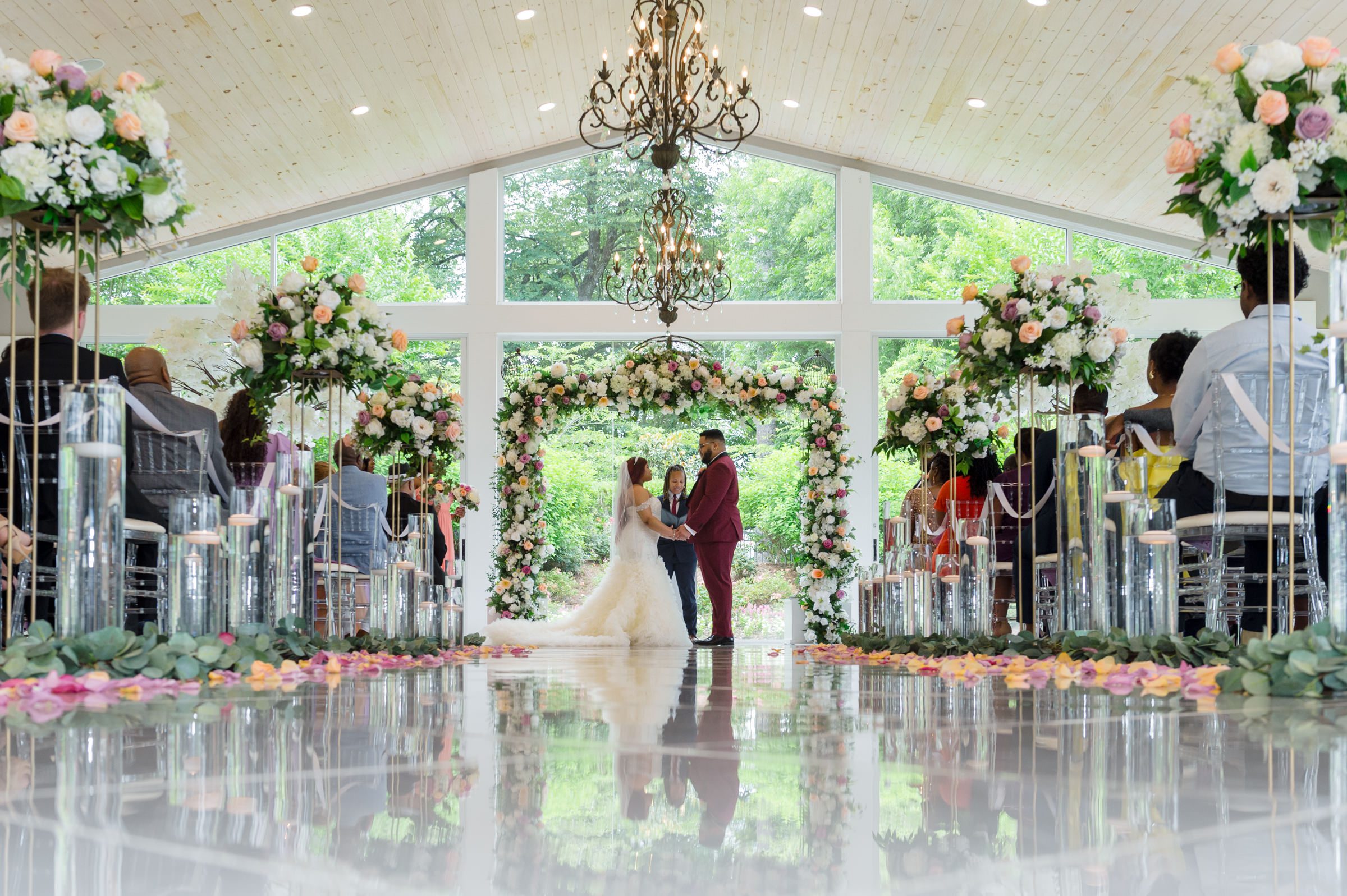
The Tate House provides visual consistency. That can be useful, but it also means your photos rely heavily on light management and timing rather than variety in location.
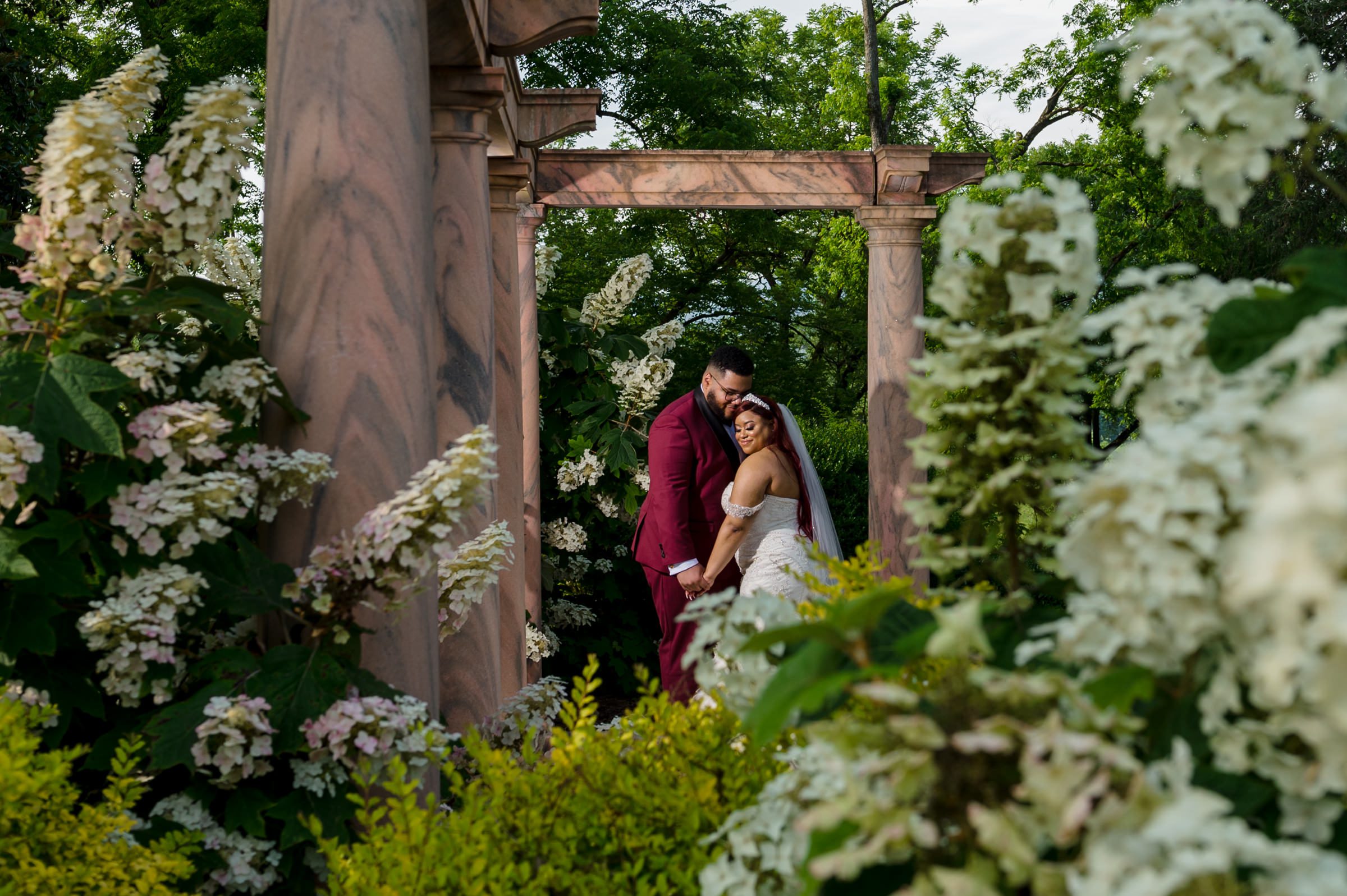
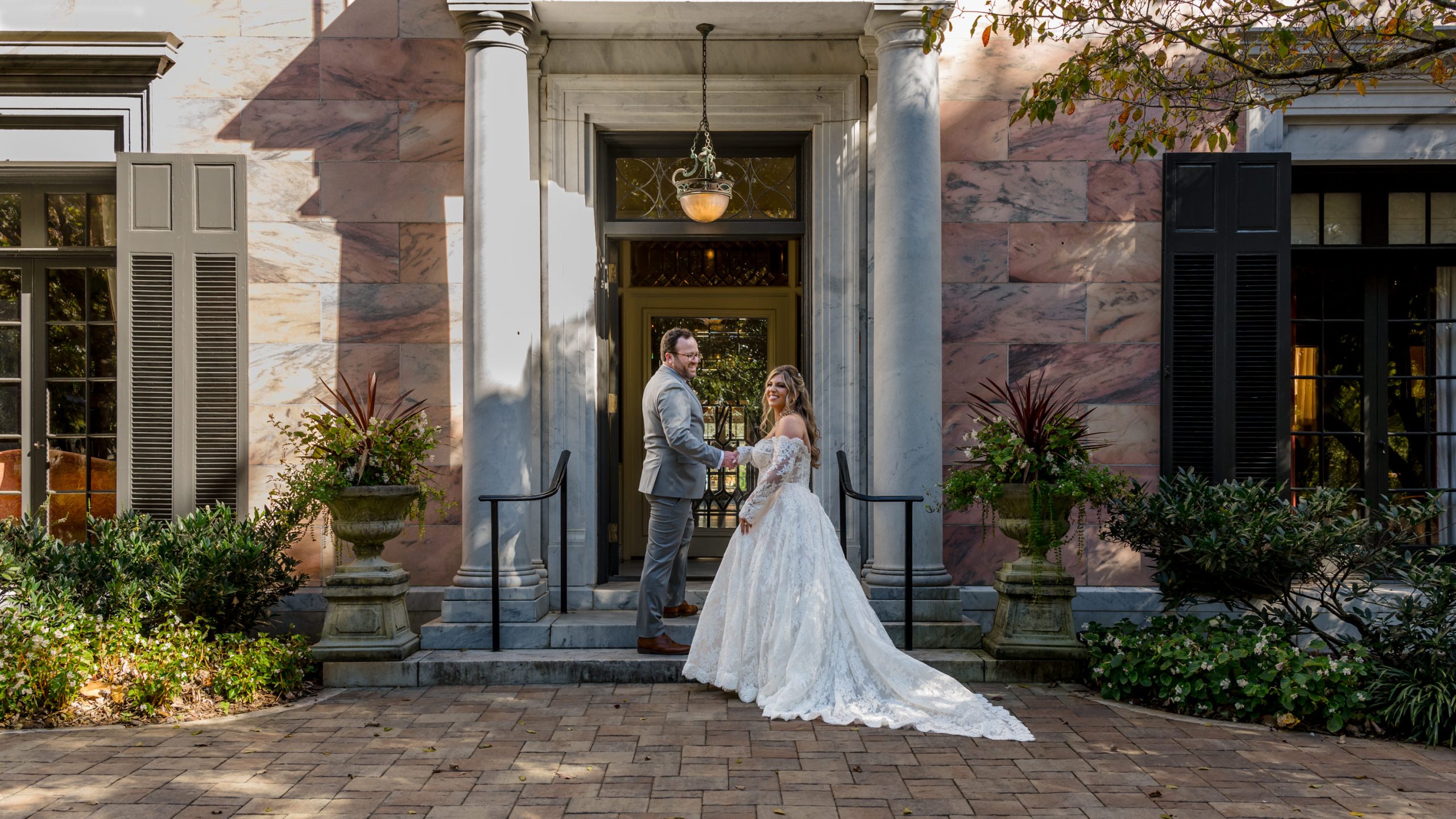
Key characteristics:
- White marble exterior
Reflects light strongly, especially mid-day - Open ceremony lawn
Limited natural shade during most ceremony times - Mountain-facing backdrop
Directional light becomes usable for a short window near sunset - Reception glass house / indoor spaces
Mixed lighting conditions that require controlled handling
None of these are issues on their own. The outcome depends on how they are handled throughout the day.
Timeline Strategy at the Tate House
Most limitations at this venue are related to timing.
What typically produces consistent results:
- Ceremony timing
Late afternoon reduced overhead light and shadow contrast - Portrait window
Reserve 20-30 minutes close to sunset for directional light - First look (if chosen)
Helps create flexibility and reduces time pressure later in the day - Family portraits
Should be pre-planned and efficient due to limited shaded areas
Without this structure, common outcomes include:
- harsh shadow transitions
- reduced flexibility in positioning
- compressed portrait time
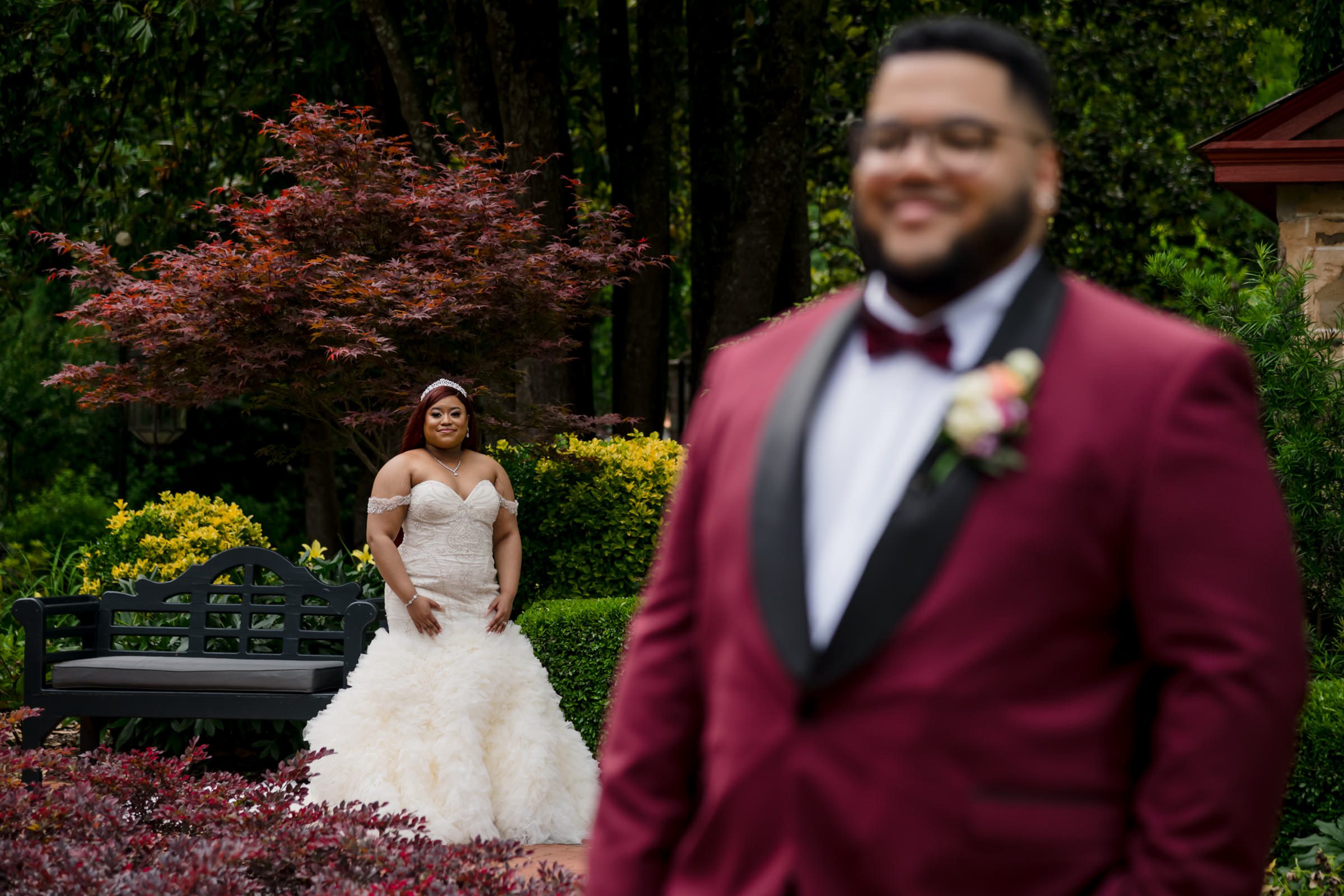
Our Approach at the Tate House
We operate in two modes, depending on what the moment requires.
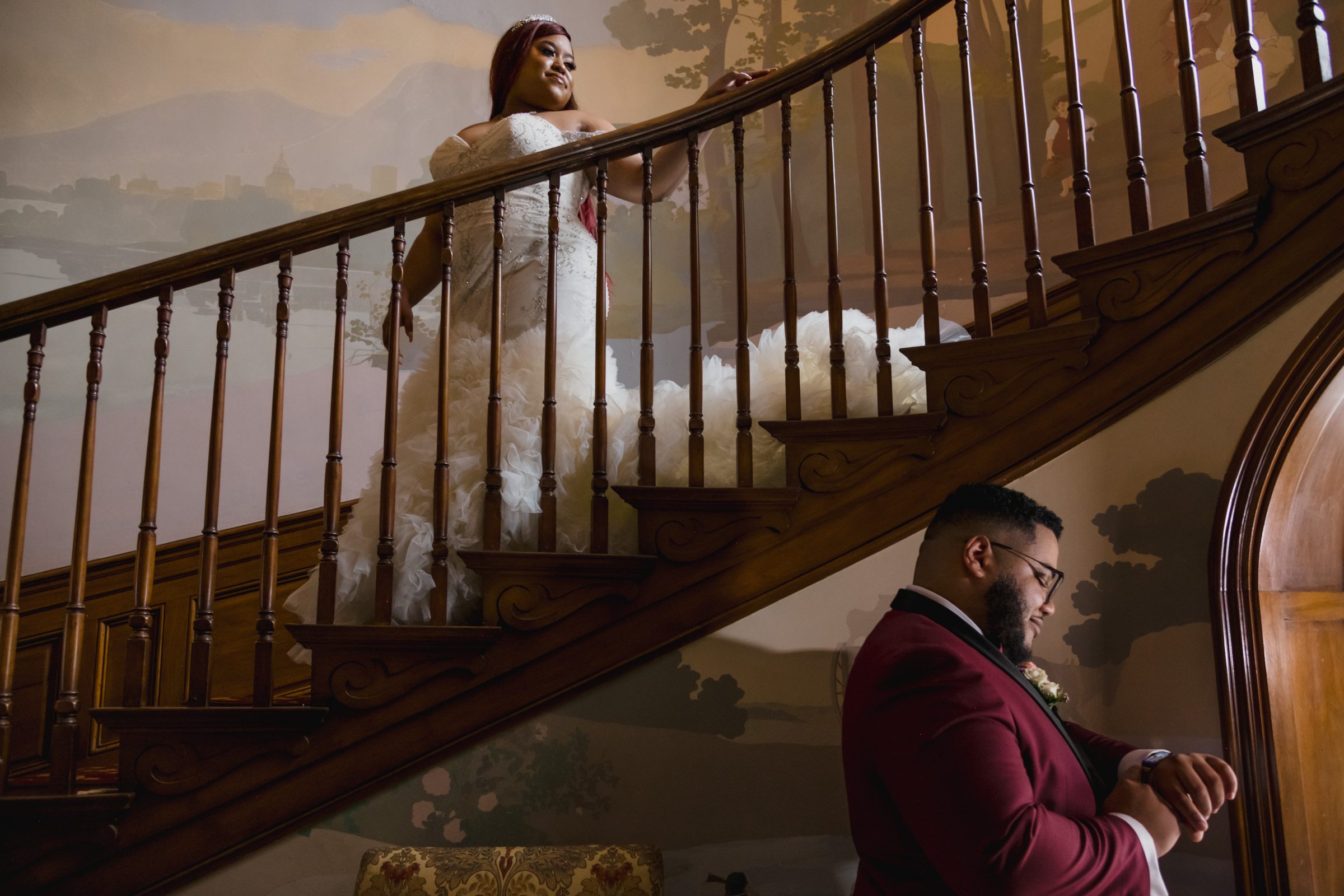
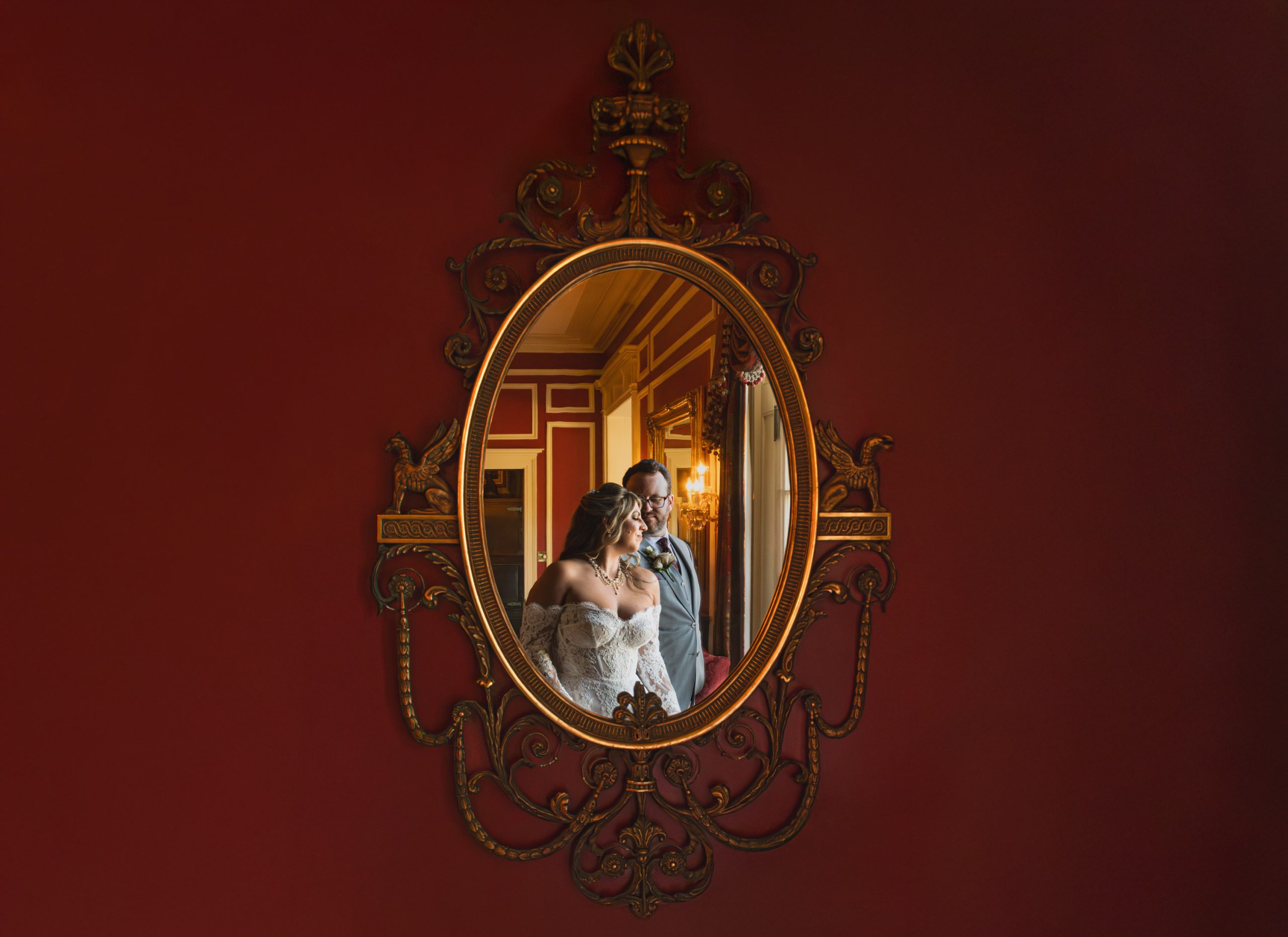
Guided (when structure matters)
Used during:
- portraits
- family groupings
- time-sensitive transitions
This includes:
- positioning relative to light
- subtle adjustments in posture and spacing
- maintaining pace without disrupting the flow of the day
Observational (when moments matter)
Used during:
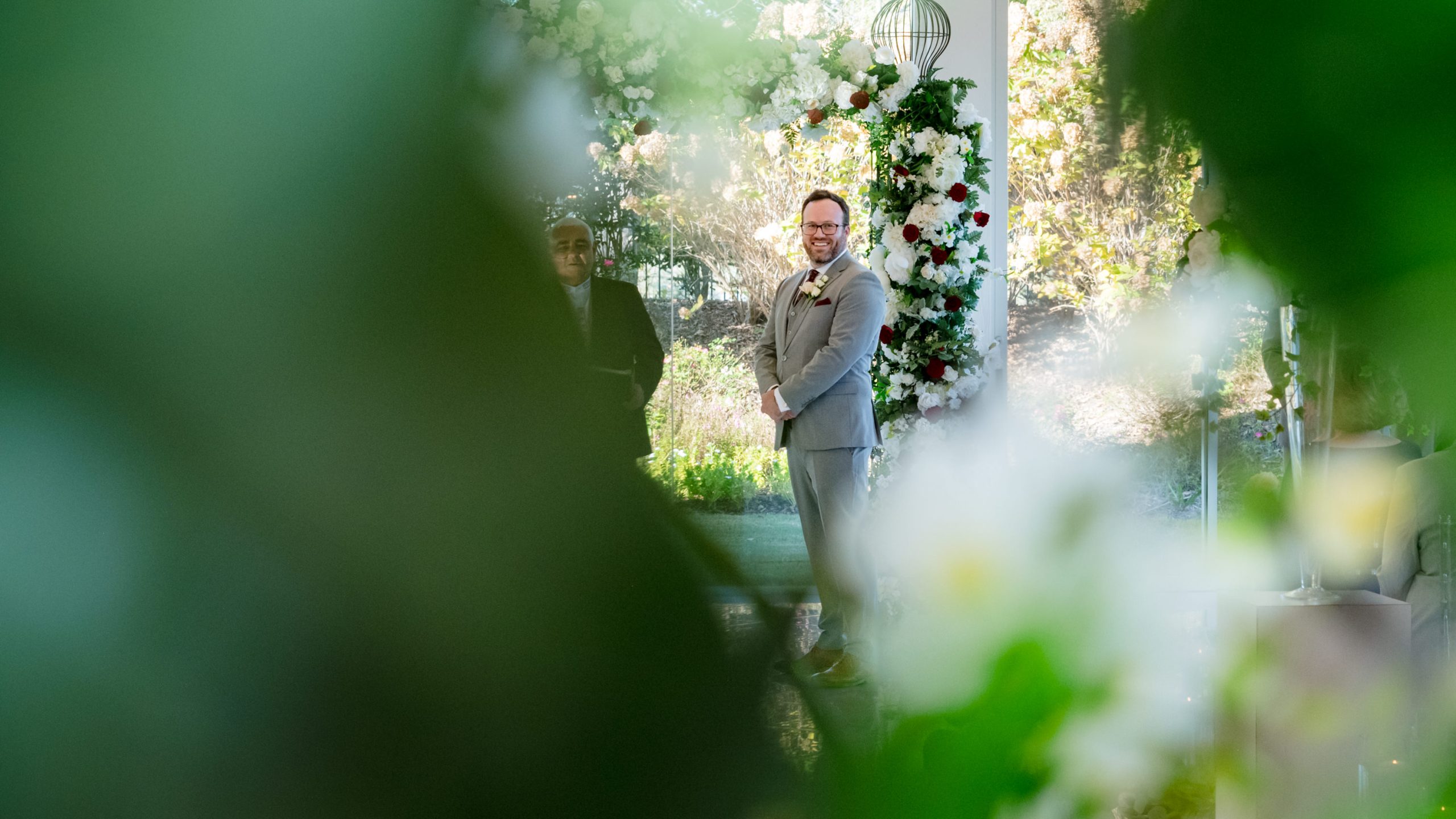
- ceremony
- reception
- unscripted interactions
We do not interrupt or stage moments once they are naturally unfolding.
The objective is consistency:
- natural-looking images
- with controlled technical execution
Where the Strongest Photos Typically Happen
Based on how light moves across the property:
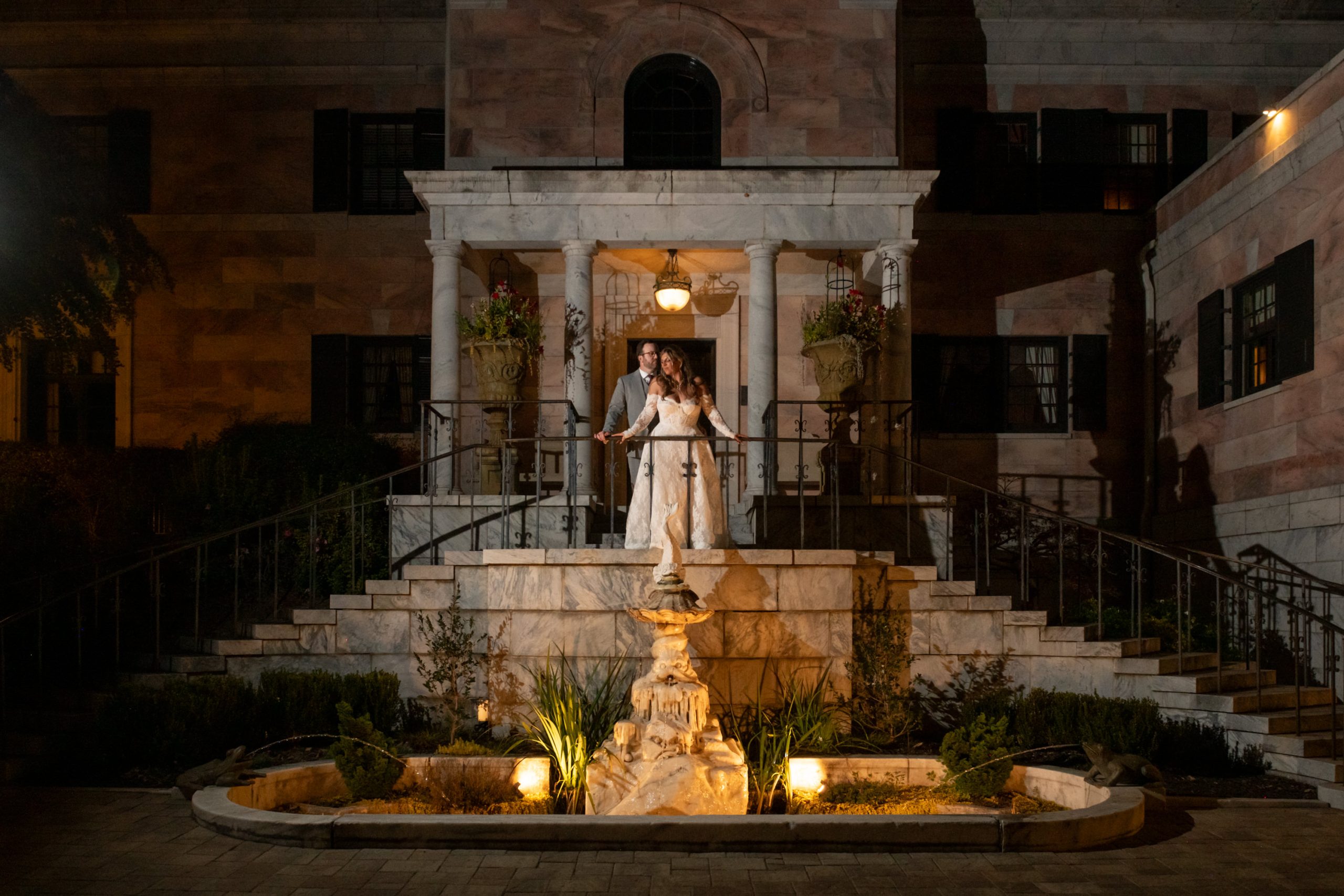
- Marble columns (front of house)
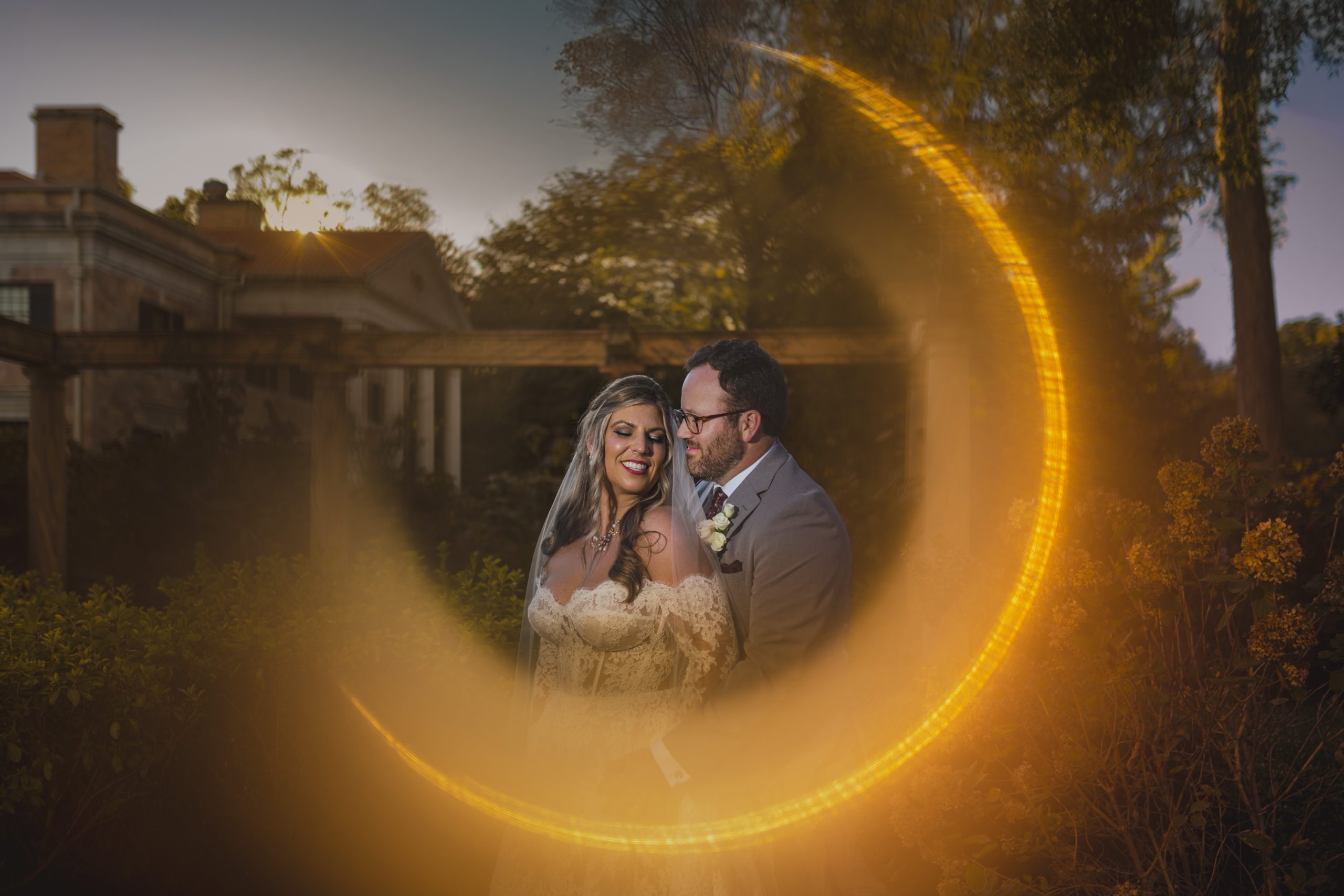
Controlled composition, works well earlier in the day - Upper lawn facing the mountains
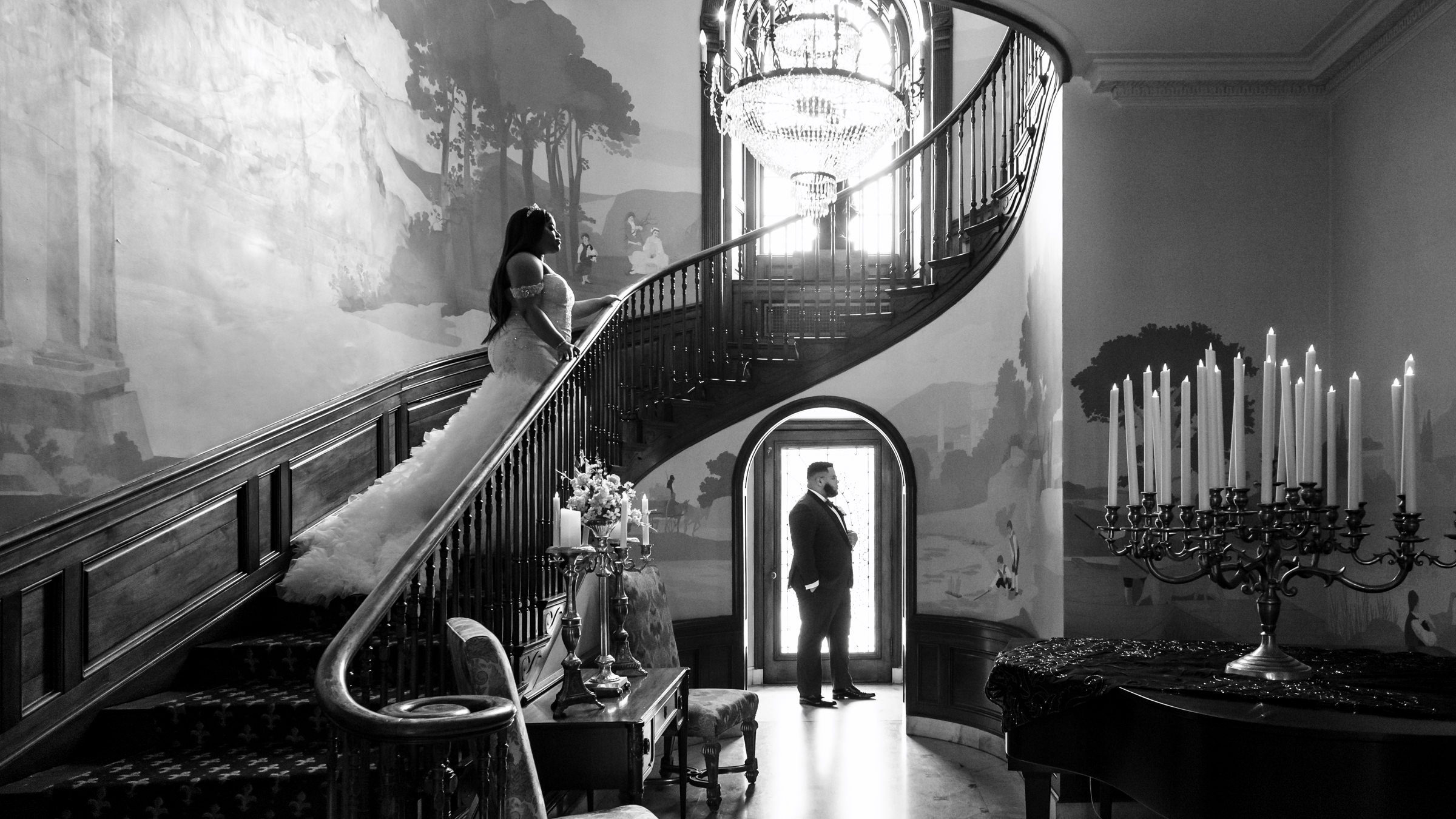
Most effective near sunset when light becomes directional - Entryways and staircases
Useful for more structured, tighter portraits - Reception (after dark)
Requires intentional lighting to maintain consistency across images
Common Planning Mistakes at the Tate House
Observed issues that affect outcomes:
- Scheduling ceremonies too early in the day
- Not reserving time for sunset portraits
- Overloading the timeline with unnecessary transitions
- Expecting shaded portrait areas that are not available
- Assuming the venue alone will carry the visual result
These are avoidable with proper planning.
Reception at the Tate House
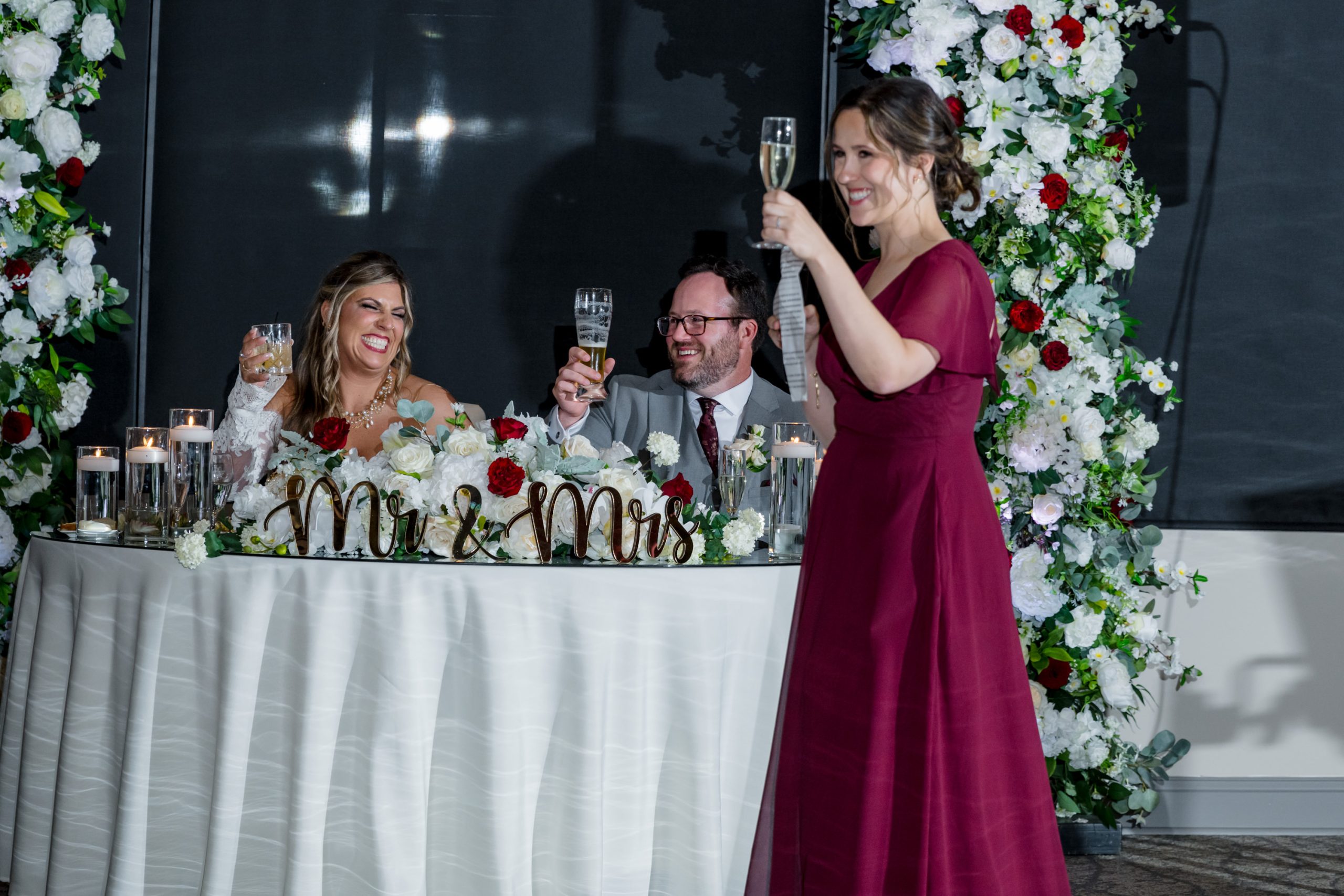
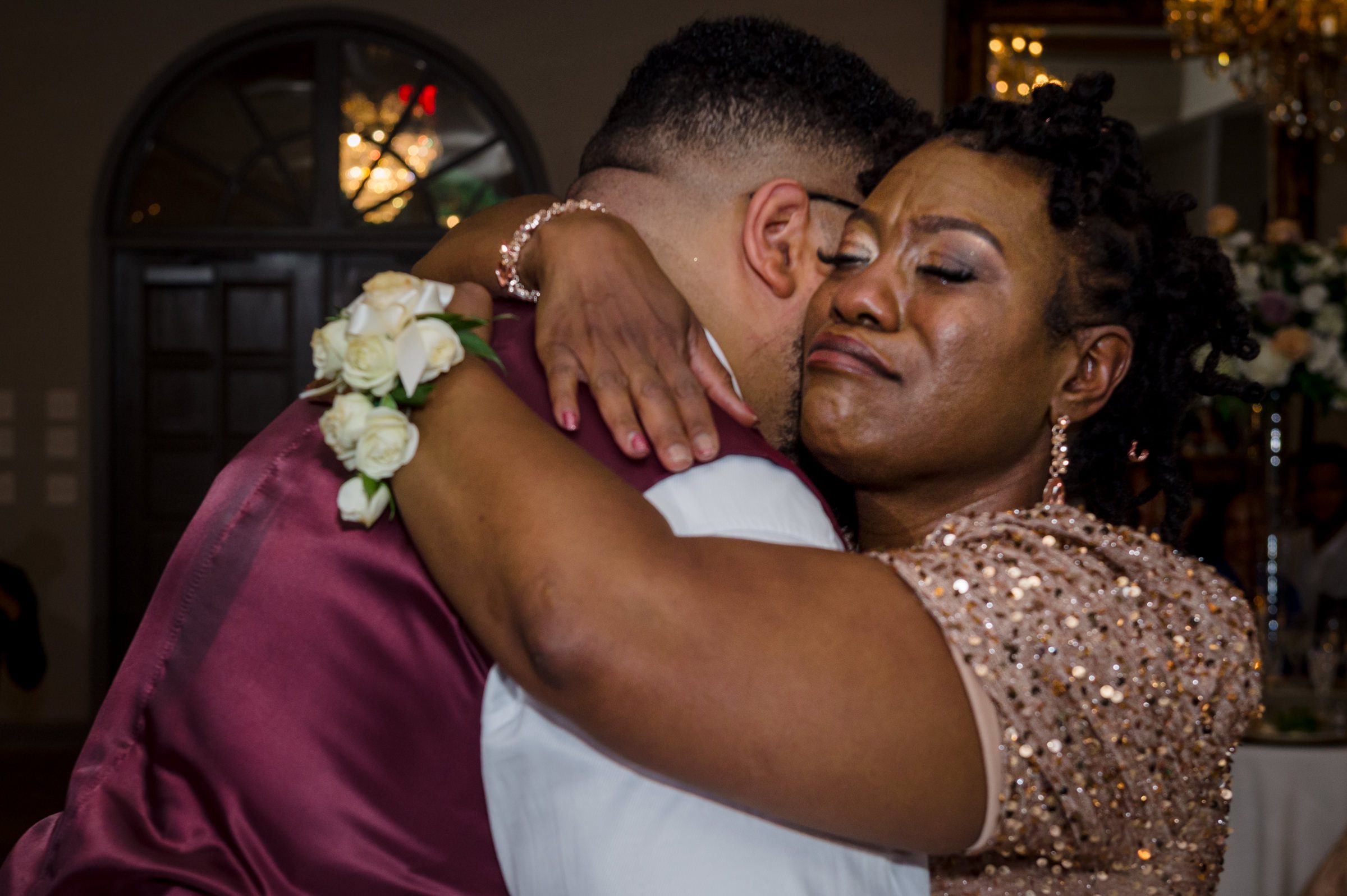
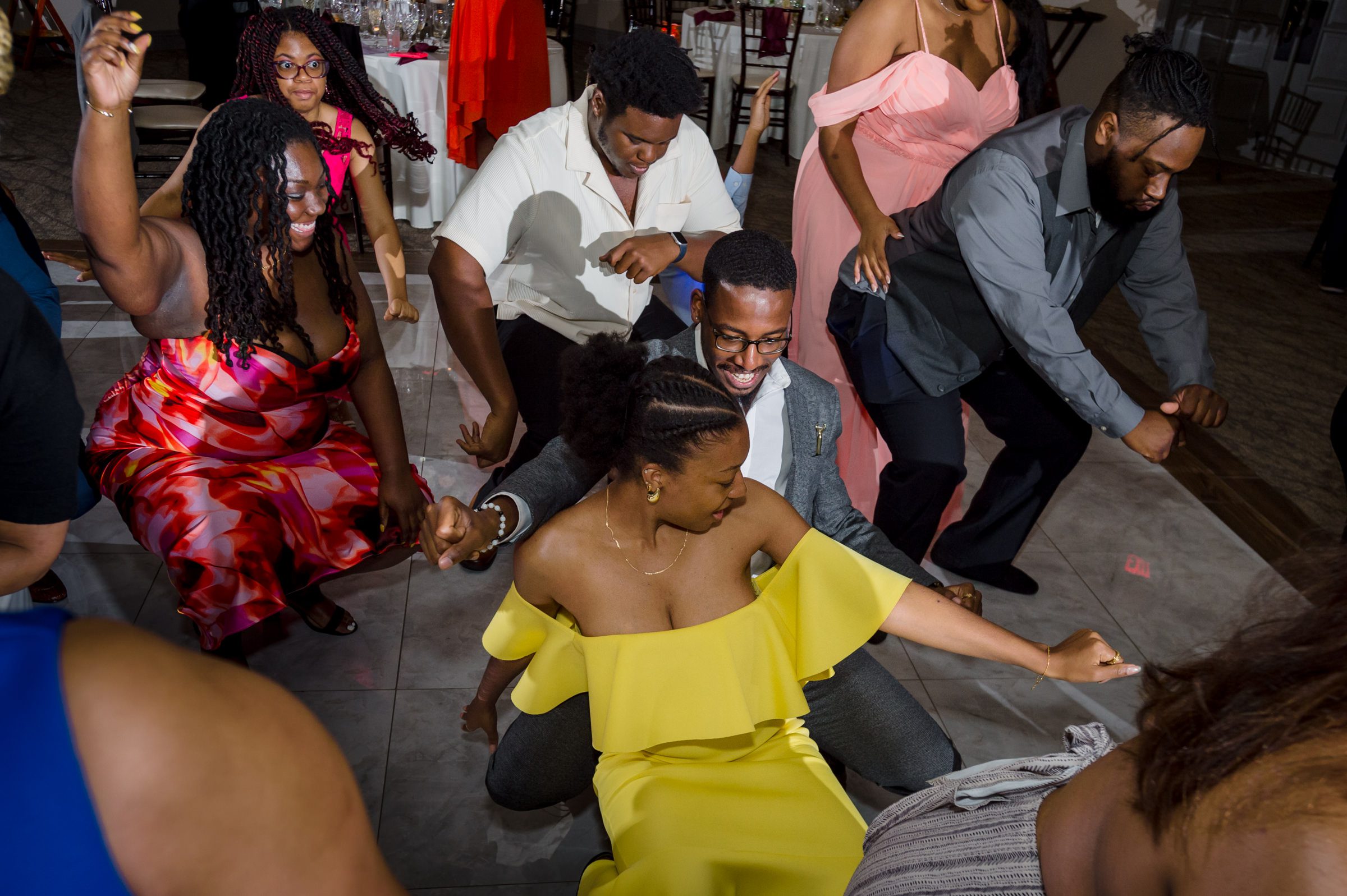
The reception at the Tate House typically transitions into a controlled indoor or tented environment, where lighting conditions change quickly throughout the evening.
This is where consistent results depend less on available light and more on how the space is handled. Our approach focuses on maintaining clean skin tones, balanced exposure, and clear subject separation without interrupting the flow of the celebration.
Who This Venue Works Well For
The Tate House is generally a strong fit for couples who:
- prefer a structured, architectural setting
- want an outdoor ceremony with defined backdrop
- are open to a guided timeline to improve consistency
It may be less aligned for couples who:
- prefer heavily shaded or wooded environments
- want a fully unstructured timeline
Choosing a Photographer for the Tate House
At this venue, results depend on execution.
Important factors:
- understanding how light behaves on reflective marble
- managing time without disrupting the pace of the day
- balancing direction with space for real moments
If these are not handled intentionally, the environment will limit what is possible.
Explore Our Wedding Experience
If you’re planning a wedding at the Tate House and want a structured but natural approach to photography:
Explore Our Wedding Experience
We take on a limited number of weddings each year to maintain consistency in how each day is handled.